Is Poor Health Killing Your Leadership?
How Health, Discipline, and Storytelling Shape Better Leaders
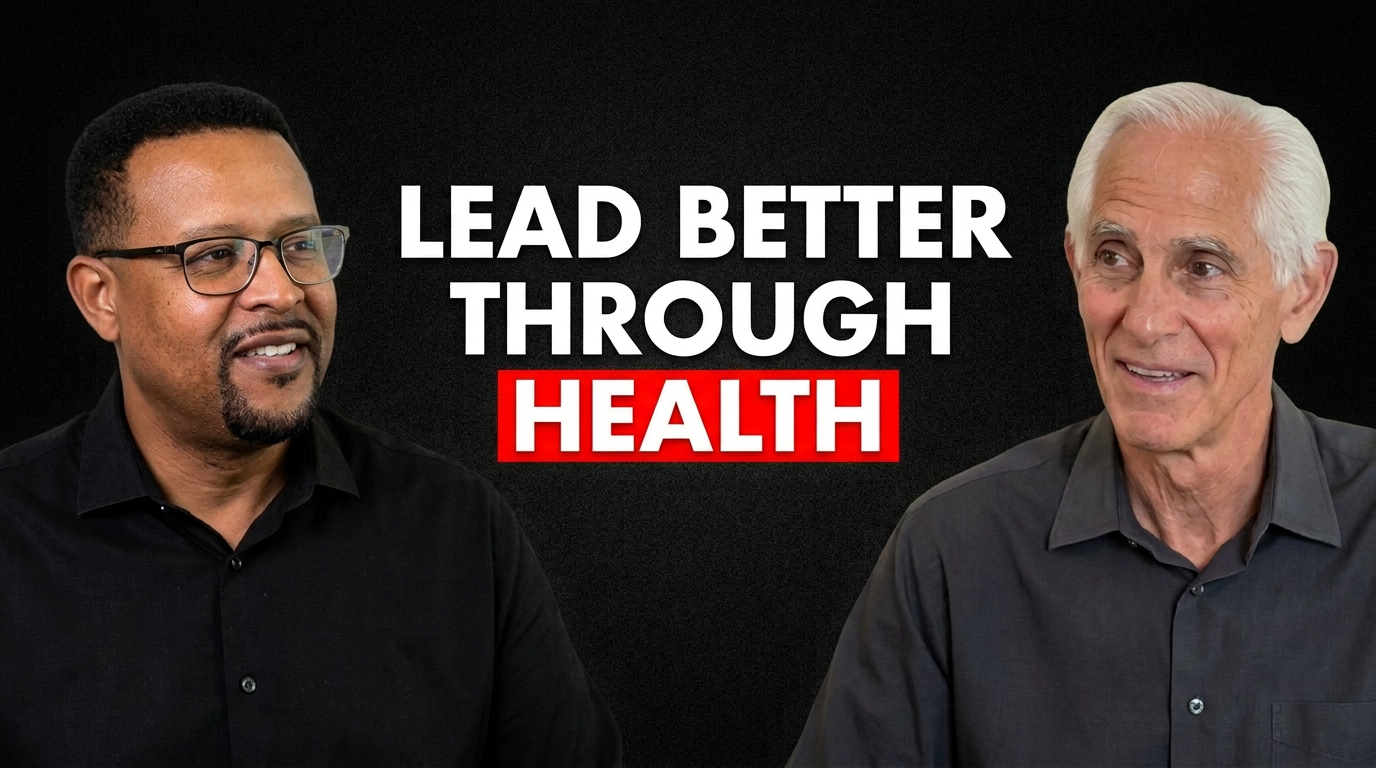
If you want to become a stronger leader, you probably think about strategy, communication, or vision. But in this conversation with author, speaker, and former pastor Michael Muccio, a different foundation keeps coming up:
Health, discipline, and the ability to connect through story
In other words, leadership is not just about what you know—it is also about how well you live, listen, and communicate. Muccio shares how Zig Ziglar influenced both his faith and his career, why physical health became a leadership issue for him, and what he learned about speaking and writing from years of ministry and public communication. If you are trying to lead better at work, at home, or in your community, this conversation offers practical lessons you can use right away.
Why Health Is a Leadership Issue, Not Just a Personal One
Muccio does not treat health like a side topic. For him, it became part of leadership formation early on, especially after seeing how much physical condition affects energy, clarity, and consistency. He first encountered Zig Ziglar’s teaching while climbing the corporate ladder in hospitality and nightclub management. At the time, he says he was chasing success but not satisfaction. Zig’s book See You at the Top changed that—not just because of the motivational content, but because Zig talked about God in a way that felt real and personal. That spiritual spark was important, but so was Zig’s example of discipline. Muccio recalls that Zig was intentional about exercise before speaking engagements. He would run first because he believed it helped with endorphins, creativity, and focus.
That habit stuck with Muccio over the years, and it became a personal lesson: if you want to lead well, you need the energy to show up well. He puts it simply: if your health is suffering, your leadership suffers too. That idea shows up in everyday life more than many people realize. When you are exercising regularly, you may not notice how much it helps until you miss it. When your routine gets disrupted—by travel, weather, or schedule changes—you feel the difference in your body, your mood, and even your productivity. For pastors, executives, entrepreneurs, and managers, the point is the same:
Your physical habits quietly shape your credibility
People notice when you carry yourself with discipline. They also notice when your body looks like you are constantly running on empty.
The Discipline People See Is the Discipline They Trust
One of the strongest ideas in the conversation is that discipline is visible. Muccio talks about seeing overweight pastors struggle to make it to the pulpit and realizing that the issue was not just appearance—it was influence. That is a hard truth, but an important one.
When people look at a leader, they are not only hearing the message. They are also reading the messenger. If you say discipline matters, but your life shows constant inconsistency, people may listen less closely. On the other hand, if your habits reflect order, restraint, and follow-through, your influence grows. Muccio connects this directly to pastoral leadership. A pastor’s body, routine, and daily habits become part of the sermon whether he intends them to or not. The same is true in business. If you lead a team, your habits teach people what kind of person you are before you ever give them a talk about values.
He also makes an important point about transferability. Discipline is not only about fitness. The same principle that helps you get up early, exercise, and eat well also helps you pray, read, study, and stay mentally sharp. In his words, discipline in one area often spills into other areas of life.That is why health and leadership are so connected.This is especially relevant if you are in a demanding role. You may think you can push through on talent, experience, or passion alone.
But over time, your energy and consistency matter more than occasional effort. Leadership is a long game, and discipline is what keeps you in it.The takeaway here is practical: if you want people to trust your leadership, start by building habits that make your life more stable, not just your schedule more packed.
How to Speak So People Actually Remember You
Muccio spent years learning how to communicate by doing it in the real world—selling seminars, speaking in churches, and learning to read audiences quickly. His advice for aspiring speakers is simple but deep:
Say something you deeply believe in, and connect it with both logic and emotion
That first part matters more than many people realize. If you do not believe in what you are saying, your delivery will be flat. But if you do believe it, your body language, voice, and presence will carry more weight. Muccio notes that most communication is nonverbal, and a large portion is tone of voice. That means how you say something often matters as much as what you say. He learned this early while selling seminar tickets in short time windows—sometimes only ten minutes in front of a sales group. That forced him to become concise. He had to get to the point quickly, make the case clearly, and ask for the order without rambling.
That skill shaped his whole approach to communication:
- Go to the head with a point
- Go to the heart with a story
- Be brief, but memorable
- Do not be afraid to ask for the next step
This is where many speakers miss the mark. They overload people with information but fail to create connection. Muccio argues that if you only give facts, people may understand you—but they may not remember you. Stories help the message stick.
He also points out that the best communicators help people see themselves in the message. That means using examples, analogies, and vivid language so listeners are not just hearing a lecture—they are stepping into an experience. If you struggle with public speaking, start here:
- Believe the message before you try to deliver it.
- Keep your point simple.
- Add one story that makes the point memorable.
- Use emotion, not just information.
That approach works in sermons, business presentations, interviews, and everyday conversations.
The Leadership Skill That Changes Everything: Seek First to Understand
Of all the leadership principles in the conversation, this one may be the most transferable:
Seek first to understand, then to be understood
Muccio says that whether he was speaking to a congregation or entering a business, he tried to get a feel for the room first. He would ask questions, listen carefully, and learn what people actually needed before deciding what to say. In his words, you want to “scratch where they are itching.
”That is powerful leadership advice because it requires humility.Too many leaders assume the same message will work everywhere. But every group is different. Every person is different. Even if you are bringing truth or expertise, it still has to be delivered in a way that matches the room.
Muccio describes listening to someone for 20 minutes and then only needing to speak for three or four because the real work was in understanding their context. That is the opposite of performative leadership. It is attentive leadership.He also ties this to prayer and preparation. In his view, when you pray before speaking or leading, you are better positioned to serve the exact people in front of you. Whether you frame that spiritually or simply as preparation, the principle is the same:
Good leaders pay attention before they prescribe solutions
This matters in business too. Muccio says many leaders are blind to what is happening in their own organization because they only hear from the top. By talking to people at multiple levels—owners, managers, shipping departments, and frontline workers—you get a fuller picture.
That kind of listening creates better strategy, better trust, and better results.
Writing Your Story—and Why Starting Matters Most
Muccio’s recent novel, Evil’s First Breath, grew out of a vision he says he had decades ago. The book explores the origin of evil and the fall of Lucifer, but he presents it as a novel so readers can experience the ideas through story rather than just doctrine.
That choice is significant.He believes story allows deeper principles to be remembered more easily. A reader may forget a list of ideas, but they will remember a scene, a conversation, or a character’s struggle. That is why he says the book can speak not only to faith-minded readers, but also to business people and leaders who want to understand themes like pride, free choice, teamwork, and emotionally mature leadership.He draws a parallel to books like The One Minute Manager, where business principles are taught through story. In his view, if you want to reach people, you need to teach in a way they can enter emotionally as well as intellectually.
When asked what he would tell people who want to write a book but feel stuck, his answer was refreshingly simple:
Start
Not perfect. Not polished. Start.
He compares writing to riding a bike—you can balance once you are moving, but not when you are frozen. That is what trips up many aspiring authors. They think they need the whole book before they begin, but Muccio says the process itself creates momentum. Some days you will write pages. Other days you may only get a paragraph. The key is consistency. If you have a book inside you, stop treating it like a mountain and start treating it like page one. A few practical lessons from his process:
- Write early if that is when your mind is clearest
- Do not wait for perfect inspiration
- Capture what comes, then step away when the flow stops
- Trust that the material will accumulate over time
Muccio’s point is bigger than writing. It is about obedience, discipline, and legacy. The thing you feel called to create may not arrive fully formed. You may have to build it in motion.
Frequently Asked Questions
What is the main leadership lesson from this conversation? The biggest lesson is that leadership is built on discipline, health, and the ability to communicate in a way people can remember. Muccio shows that strong leaders do not just talk well—they live in a way that supports their message.
Why does Michael Muccio connect health with leadership?
He believes health affects energy, clarity, consistency, and credibility. In his view, a leader who neglects physical well-being will struggle to lead effectively over time.
What is the best speaking advice from the interview?Speak about something you deeply believe in, keep your point clear, and use a story to make the message stick. Facts inform people, but stories help them remember and feel the message.
How can I become a better listener as a leader? Start by asking questions, paying attention to the room, and understanding what people need before you respond. Listening first helps you give better answers and build stronger trust. What should I do if I want to write a book but keep procrastinating?
Start with one page. Do not wait until you feel ready. Momentum comes from action, and consistency matters more than perfect inspiration.
Final Takeaway
Michael Muccio’s conversation with Bobby Davis offers a practical leadership framework: take care of your health, develop daily discipline, listen before speaking, and use stories to make your message memorable. Leadership is not built in a single speech or decision. It is built through the habits you repeat, the example you set, the attention you give to others, and the courage to begin the work you are called to do.
One-Sentence Summary:
Michael Muccio shares how health, discipline, listening, and storytelling work together to make you a more credible, effective, and memorable leader.
Podcast Host
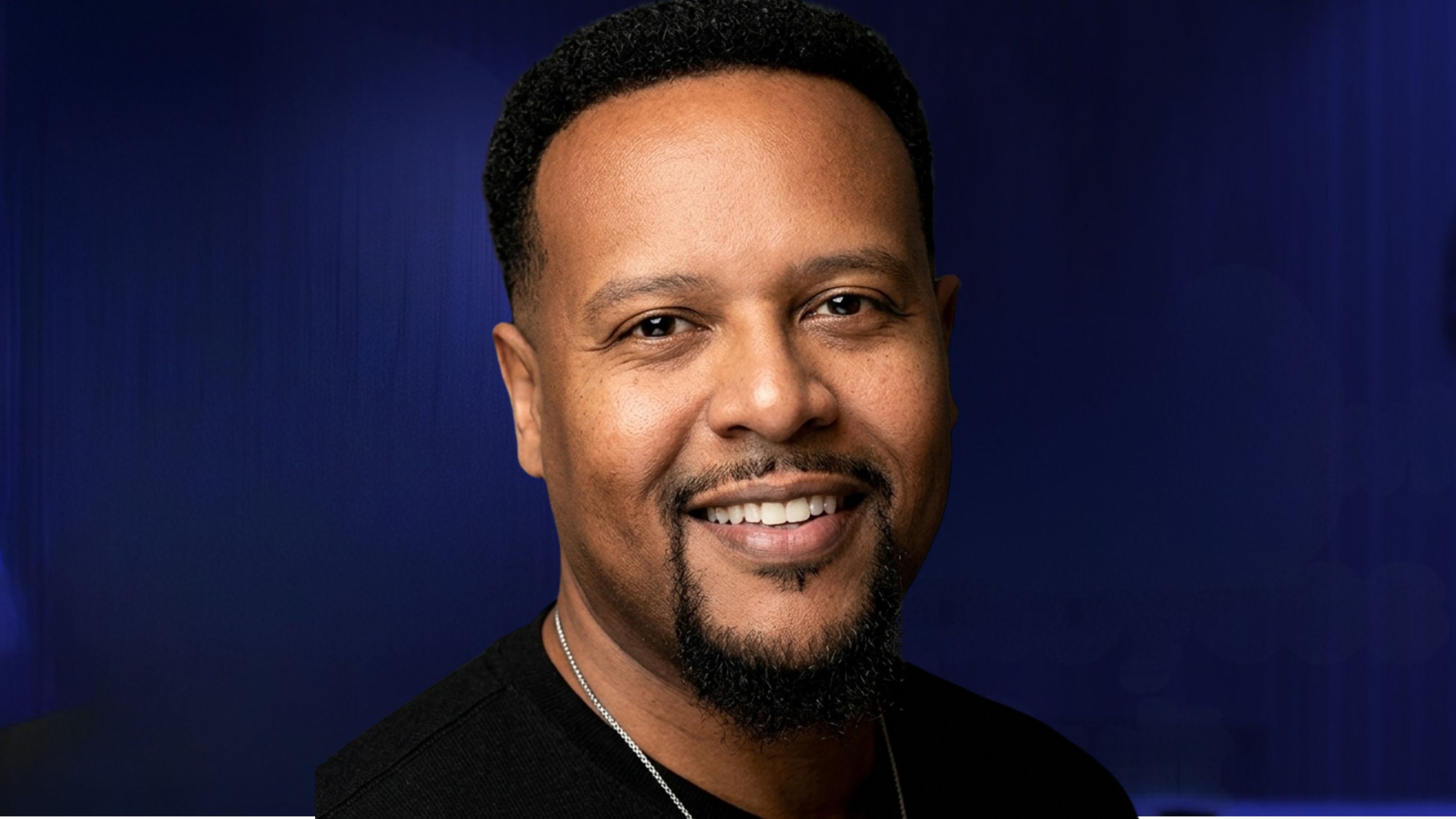
Bobby Davis is the Host and Founder of The Well 2 Lead Podcast, a program dedicated to empowering business leaders to enhance their effectiveness through a focused approach to wellness and health. Bobby firmly believes that “When you Feel Well, You Lead Well.
For decades, Bobby faced health challenges, including high blood pressure, high cholesterol, prediabetes and severe sleep apnea. However, he achieved a remarkable transformation by losing over 100 pounds in just one year, which not only changed his life but also helped reverse his health issues, all by the grace of God.
Following this journey of transformation, Bobby has dedicated himself to promoting health and wellness, specifically aimed at supporting business owners, leaders, and professionals in high-demand roles, as well as anyone struggling with poor health.